
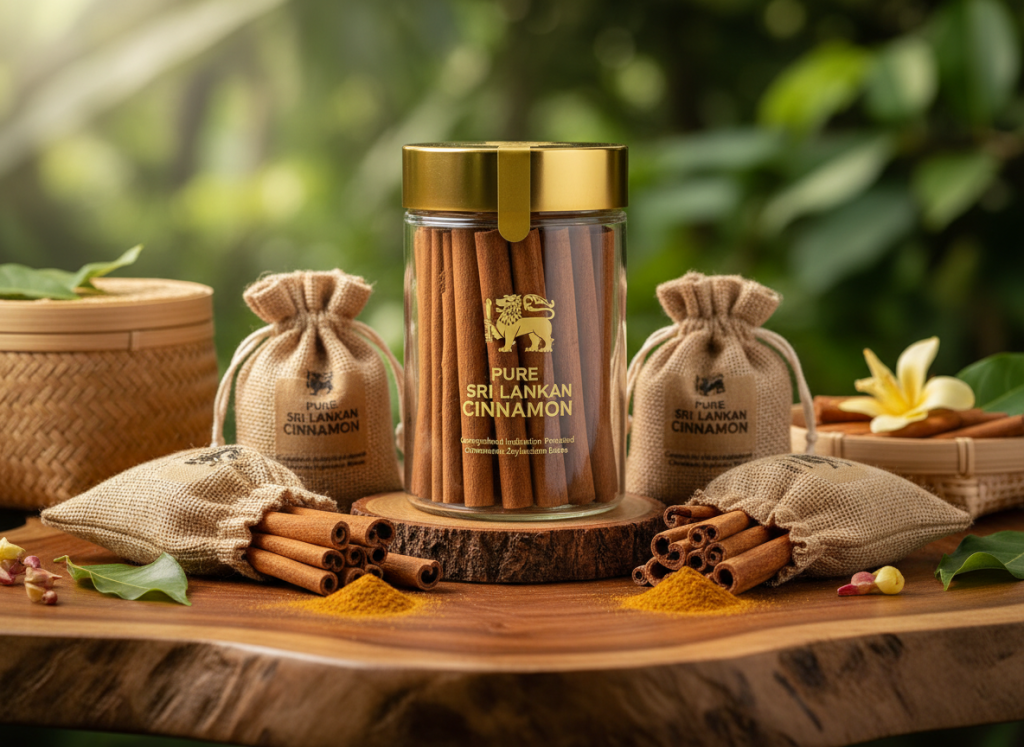
Cinnamon is one of the most loved spices in the world, used in cooking, medicine, and traditional wellness practices for centuries. However, not all cinnamon is the same. Among the many varieties available globally, Ceylon cinnamon is widely known as “true cinnamon” because of its superior quality, delicate flavor, and traditional harvesting methods.
In this article, we explore what makes true cinnamon unique, how it is cultivated, why it is considered premium, and how you can identify authentic cinnamon when purchasing.
The Origin of True Cinnamon
True cinnamon comes primarily from Sri Lanka, a tropical island with ideal climate conditions for cultivating high-quality cinnamon trees. Warm temperatures, seasonal rainfall, and fertile soil create the perfect environment for slow and healthy bark development.
For generations, skilled farmers have carefully cultivated cinnamon plantations using traditional knowledge passed down through families. The harvesting process is not mechanical – it is a manual craft that requires precision and experience.
This deep connection between land, climate, and human expertise is one of the main reasons true cinnamon is valued worldwide.




Visual and Structural Differences
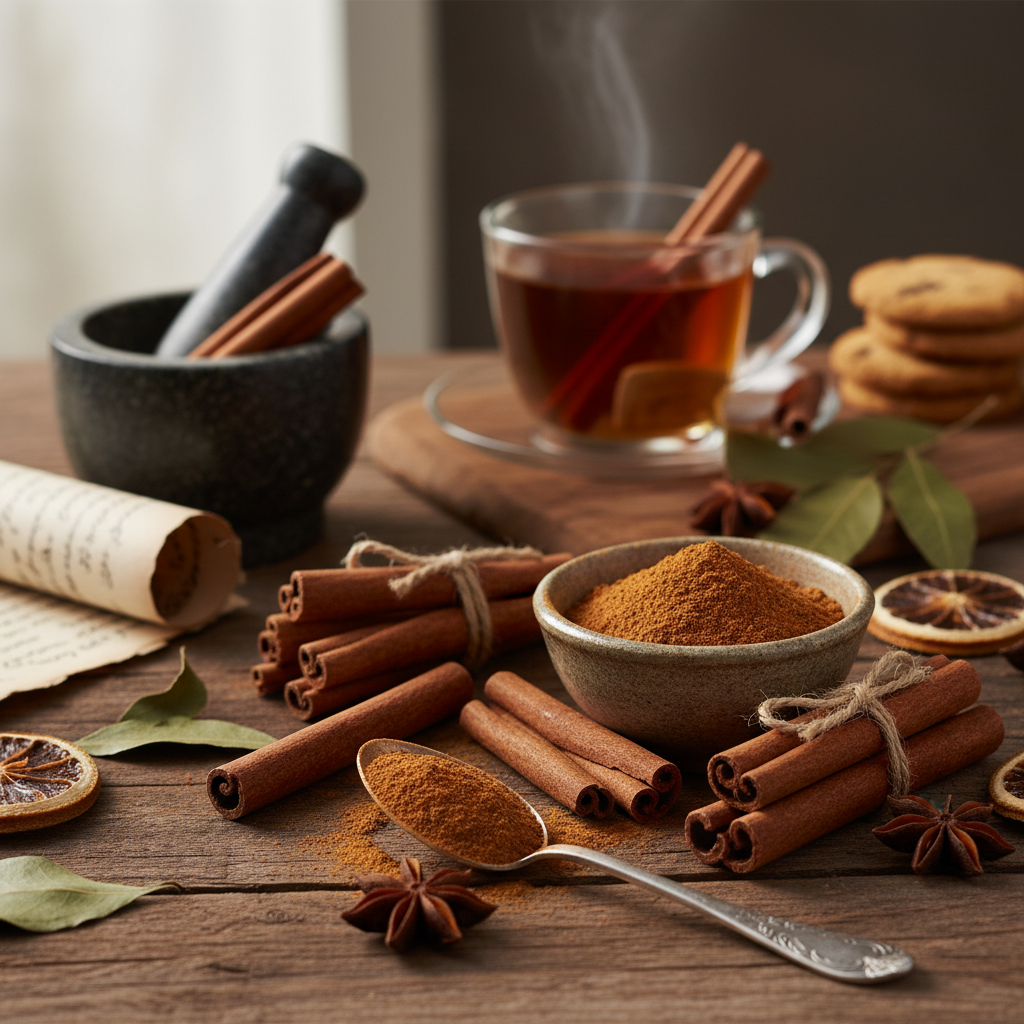
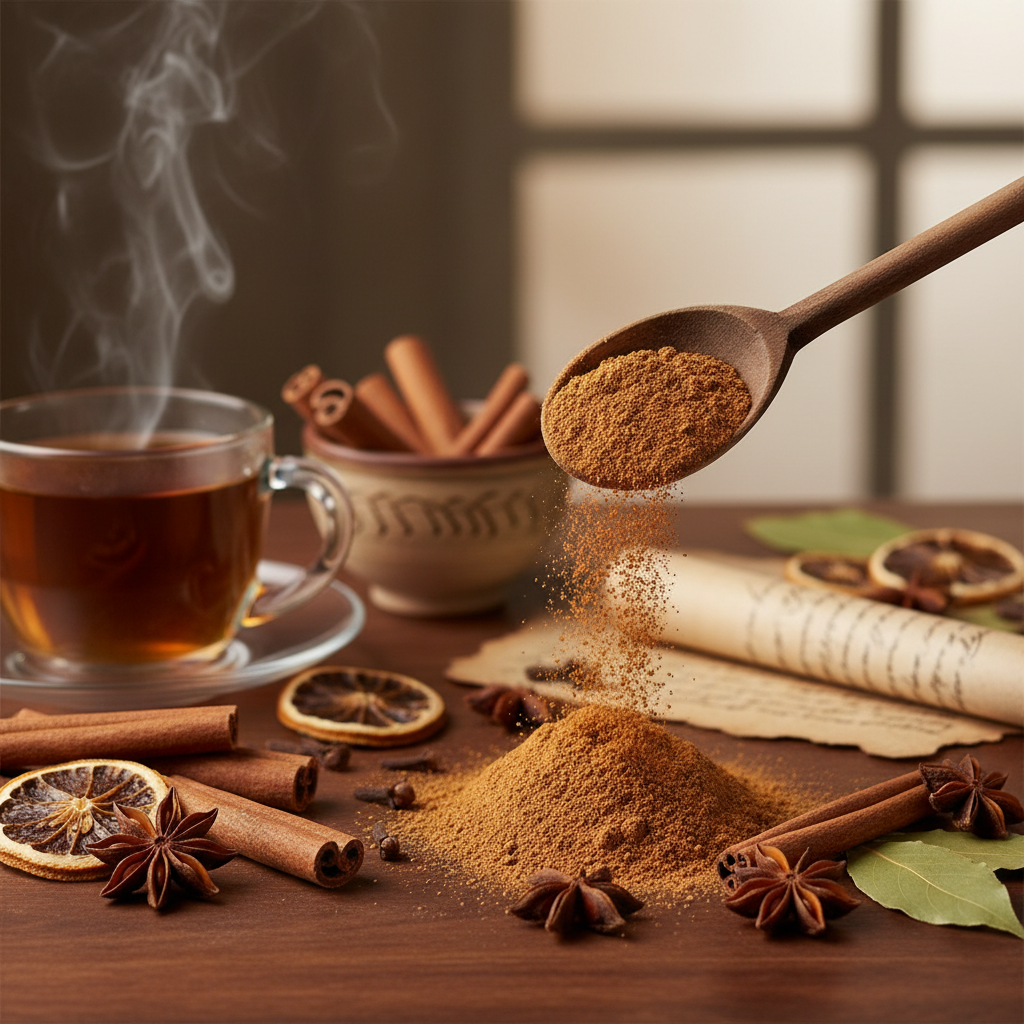
Authentic Ceylon cinnamon is easily distinguishable when you know what to look for.
True cinnamon sticks are:
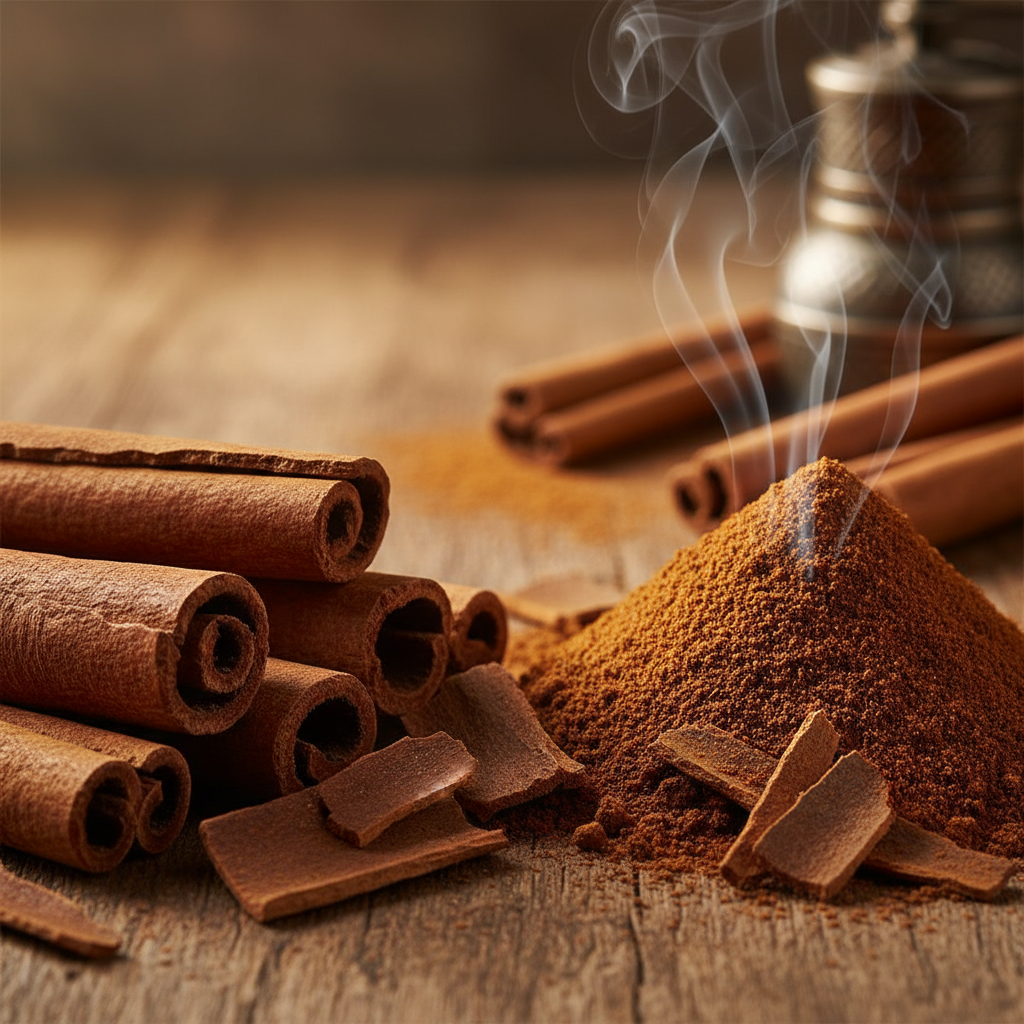
• Light golden brown in color
• Thin and layered like a rolled cigar
• Soft and brittle in texture
• Smooth and delicate in appearance
In contrast, other common cinnamon varieties are darker, thicker, and harder, with a stronger and more intense smell.
These physical differences are not just cosmetic – they reflect major variations in flavour and chemical composition.